

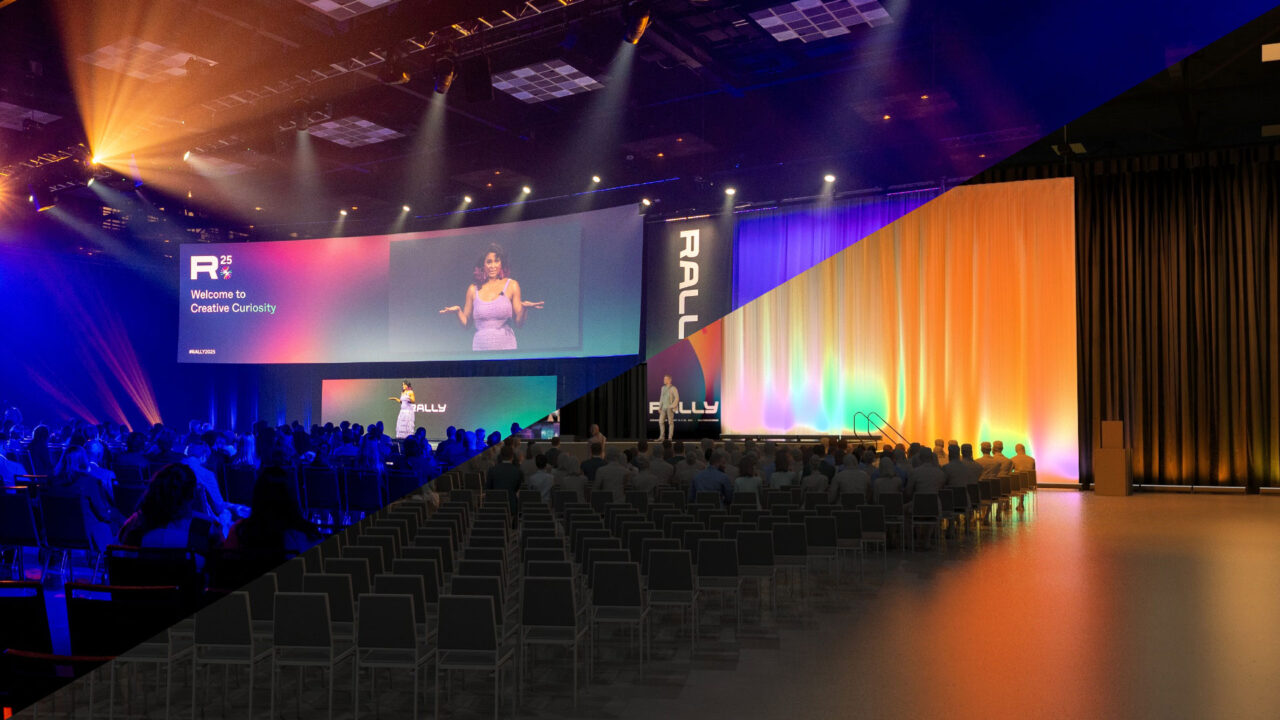
In the high-stakes world of corporate events, “business as usual” design is the fastest way to lose an audience. By 2026, the shift in attendee expectations has moved from passive observation to sensory immersion. People don’t just want to attend a meeting; they want to inhabit a brand’s world.
Stop planning meetings and start engineering experiences. The future of events belongs to those who can balance massive sensory impact with meticulous, thoughtful design.
Here is what is driving engagement on the event floor right now.
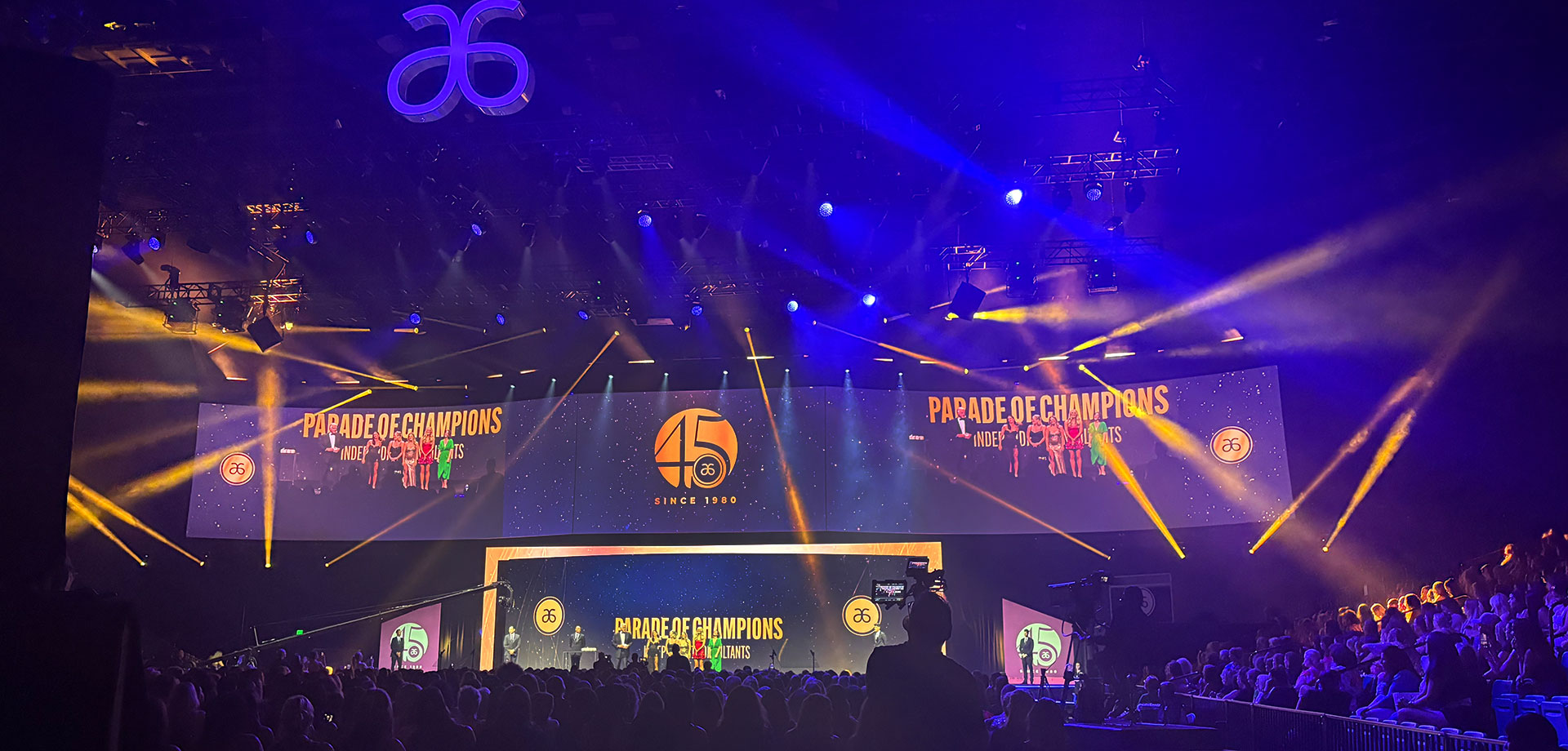
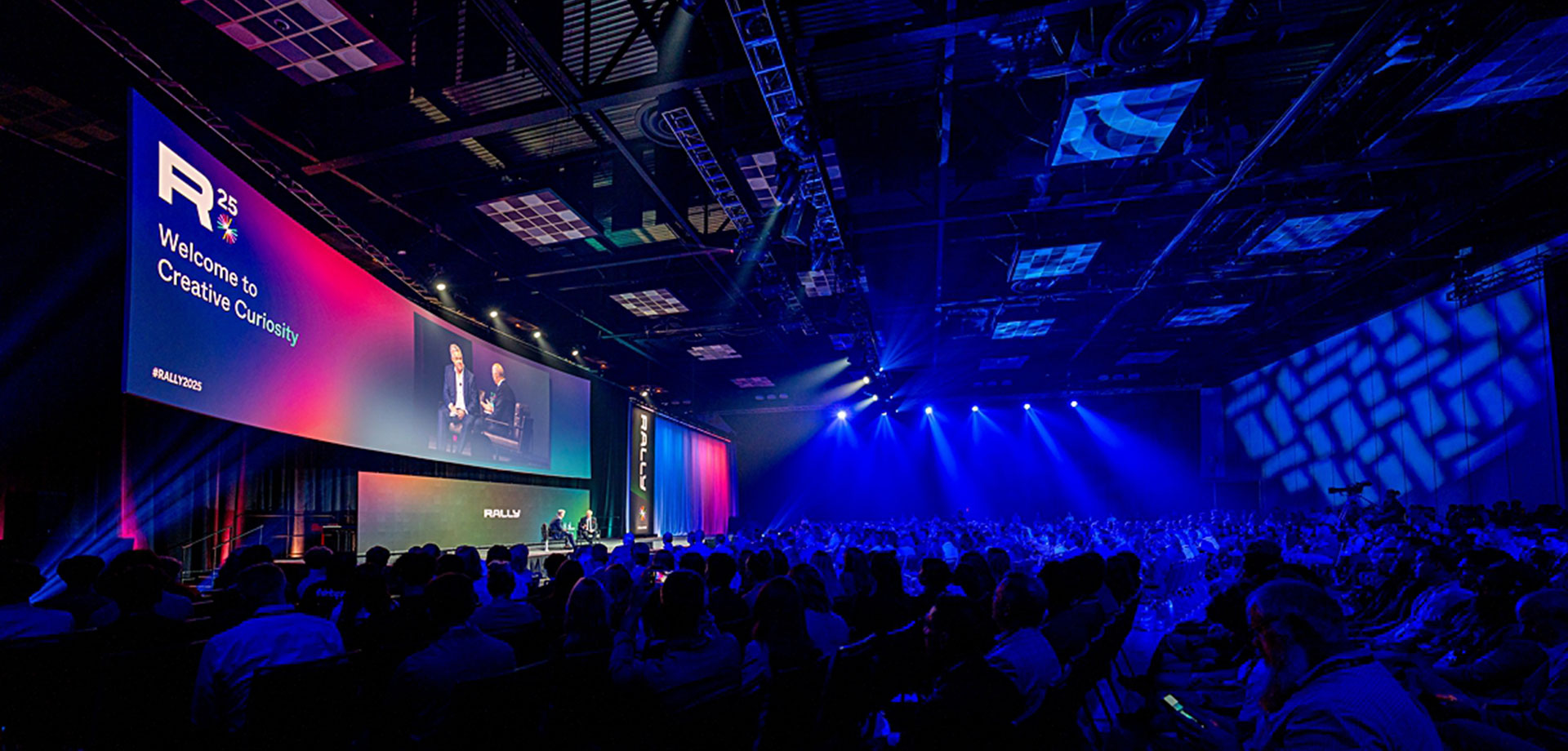
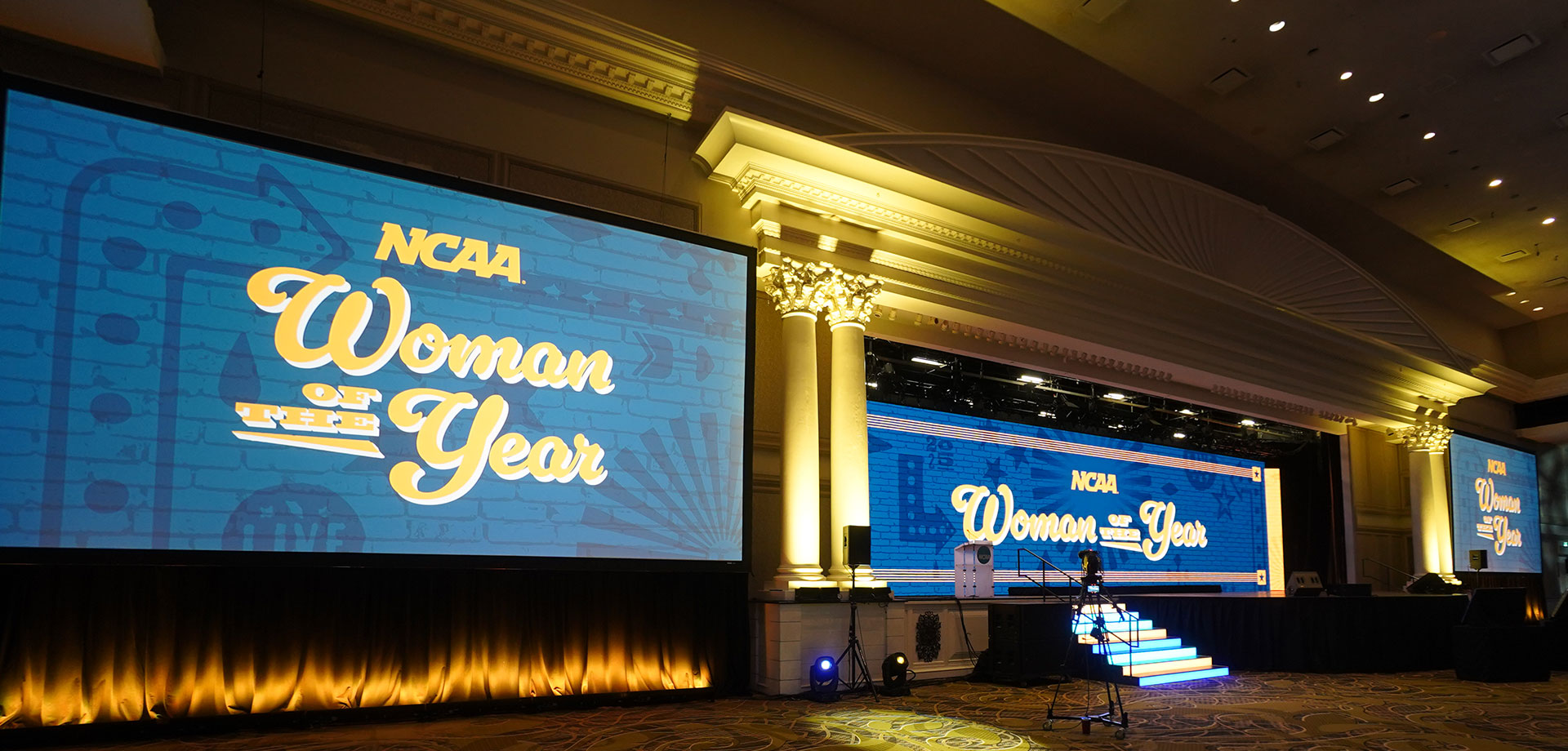
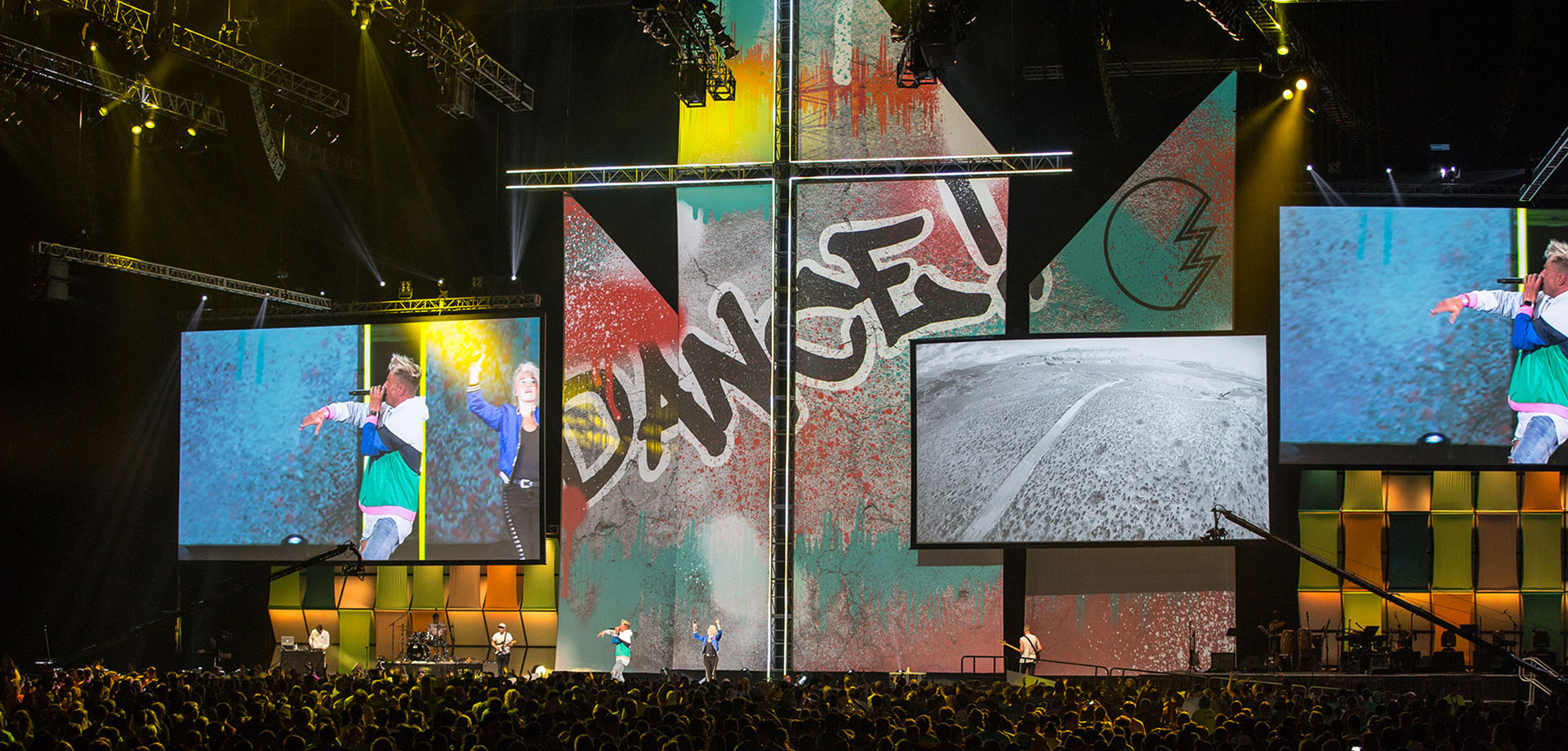
The “New Bold”: Color as a Psychological Tool
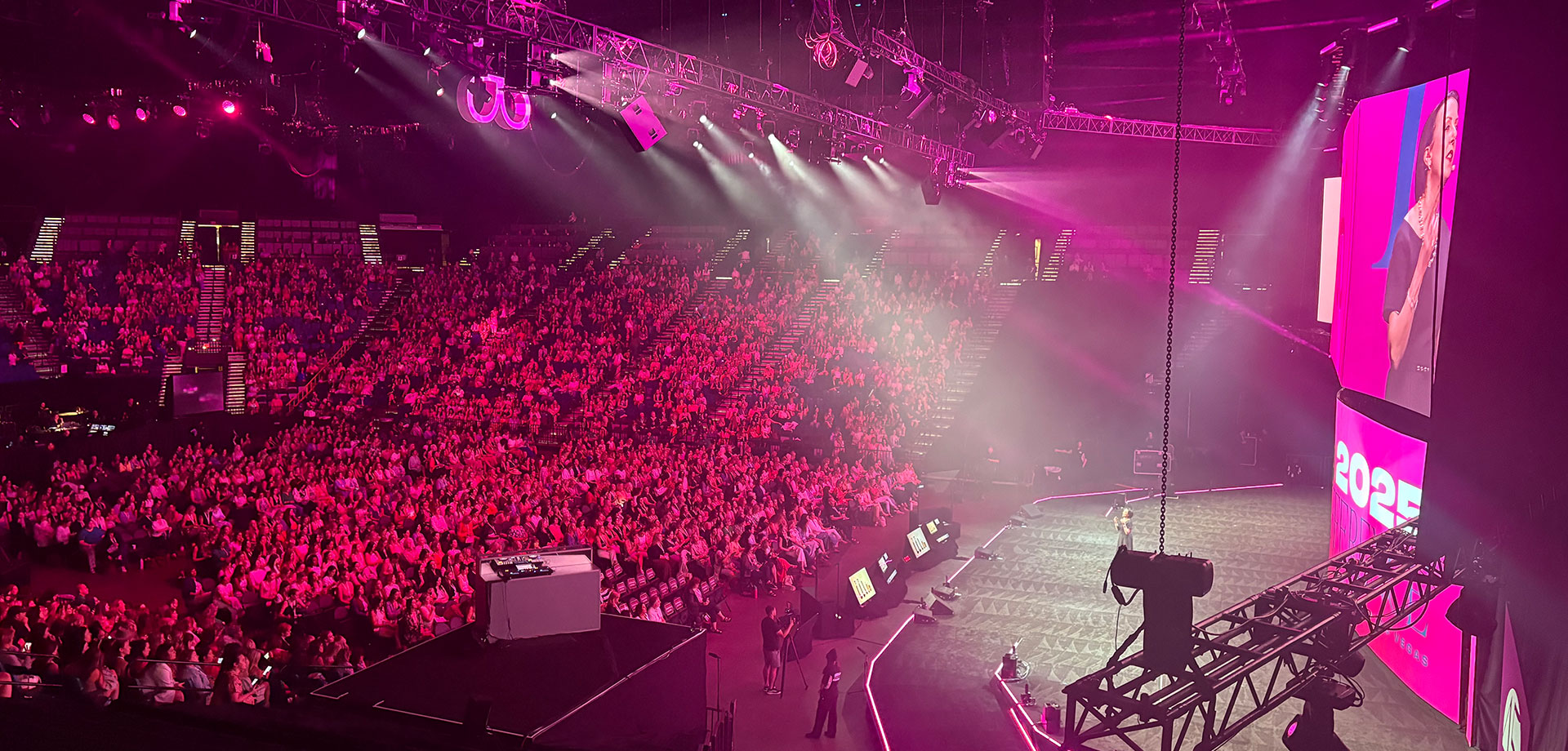
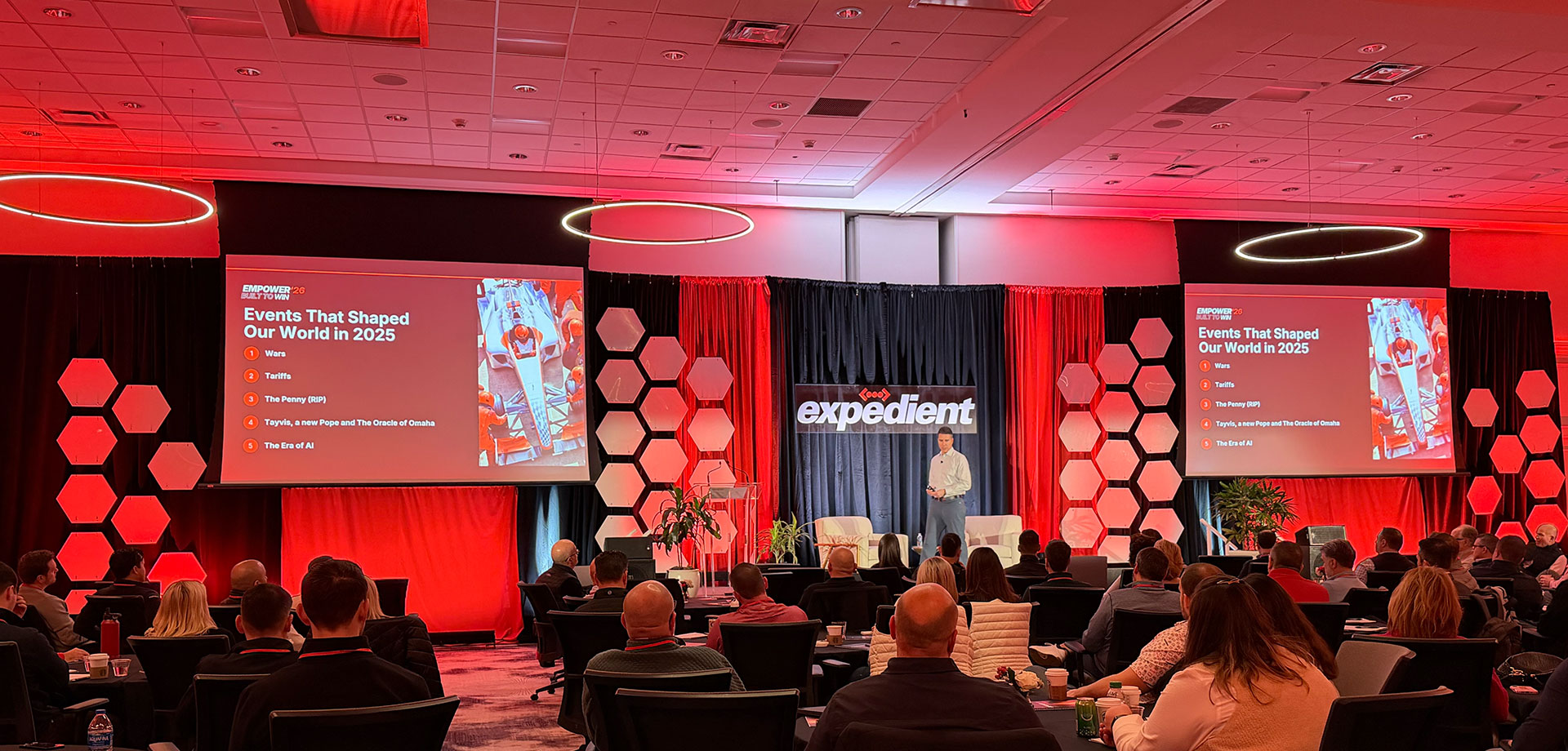
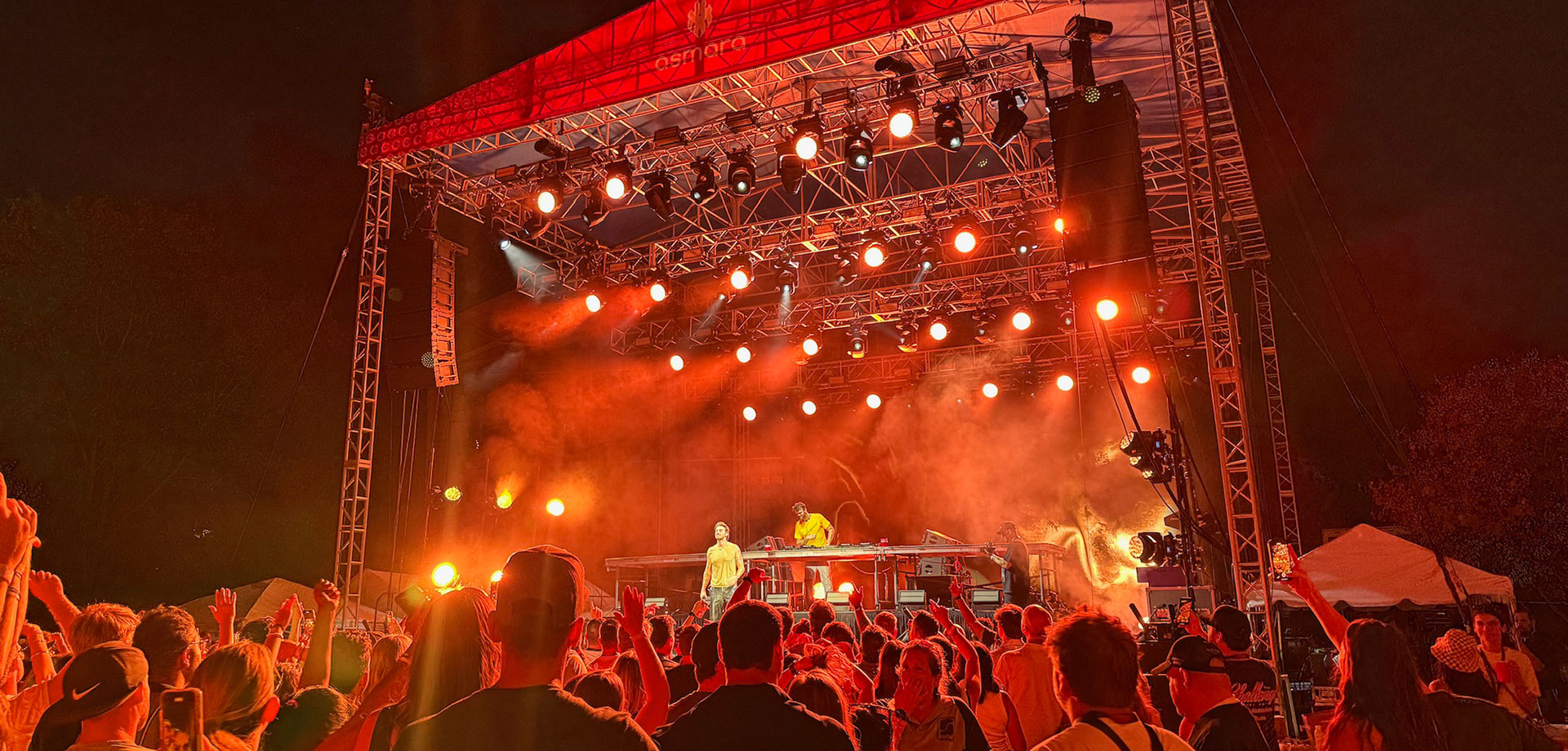
Neutral “safe” palettes are being replaced by intentional, high-saturation color stories. We aren’t just using color for decor; we’re using it to define the mood of specific zones.
- The Trend: Monochromatic environments where everything from the LED wash to the seating is a single, vibrant hue (think Bartha’s Vibrant Blue or Lime Green).
- Why it works: It creates a “dopamine hit” that looks incredible on social feeds and instantly signals a departure from the sterile office environment.
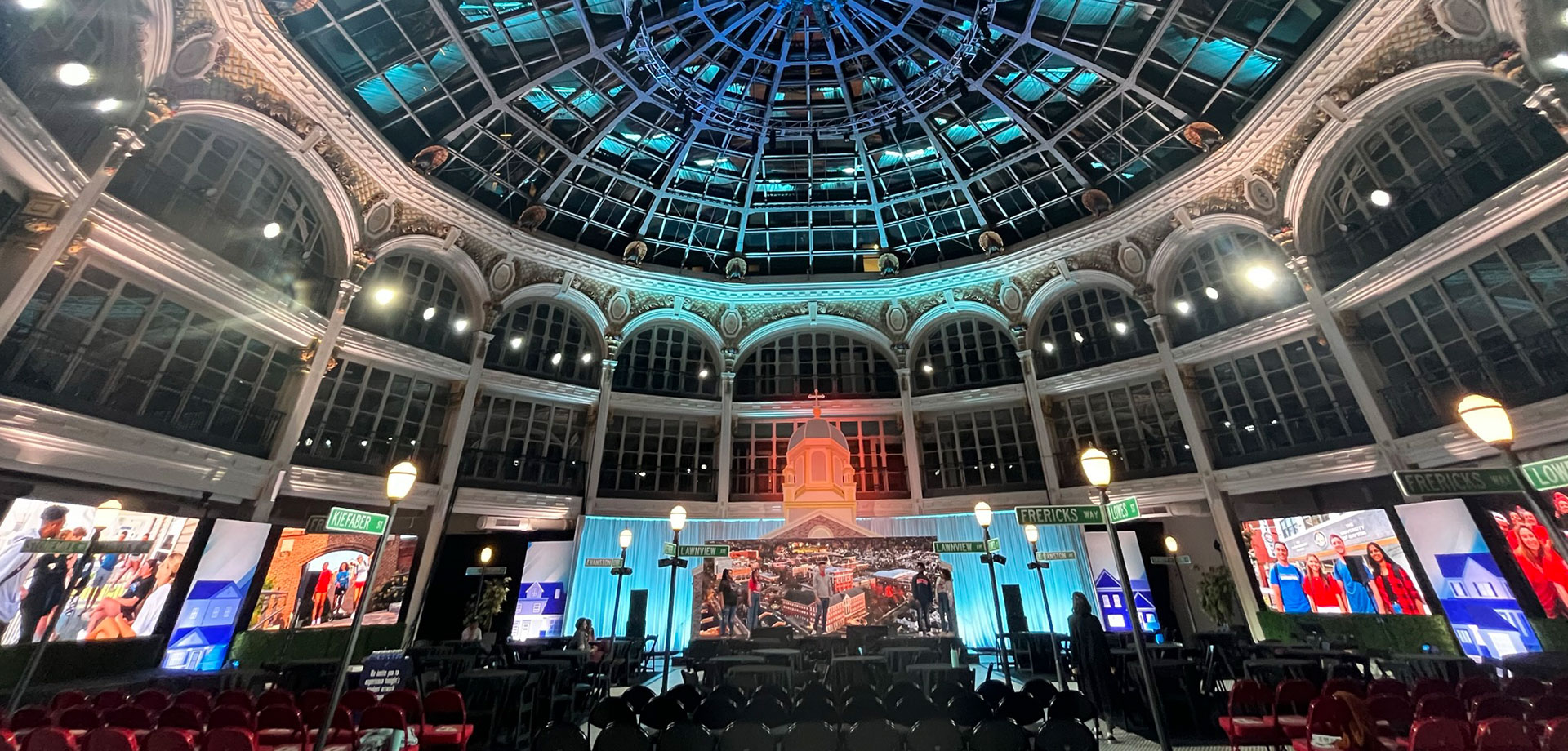
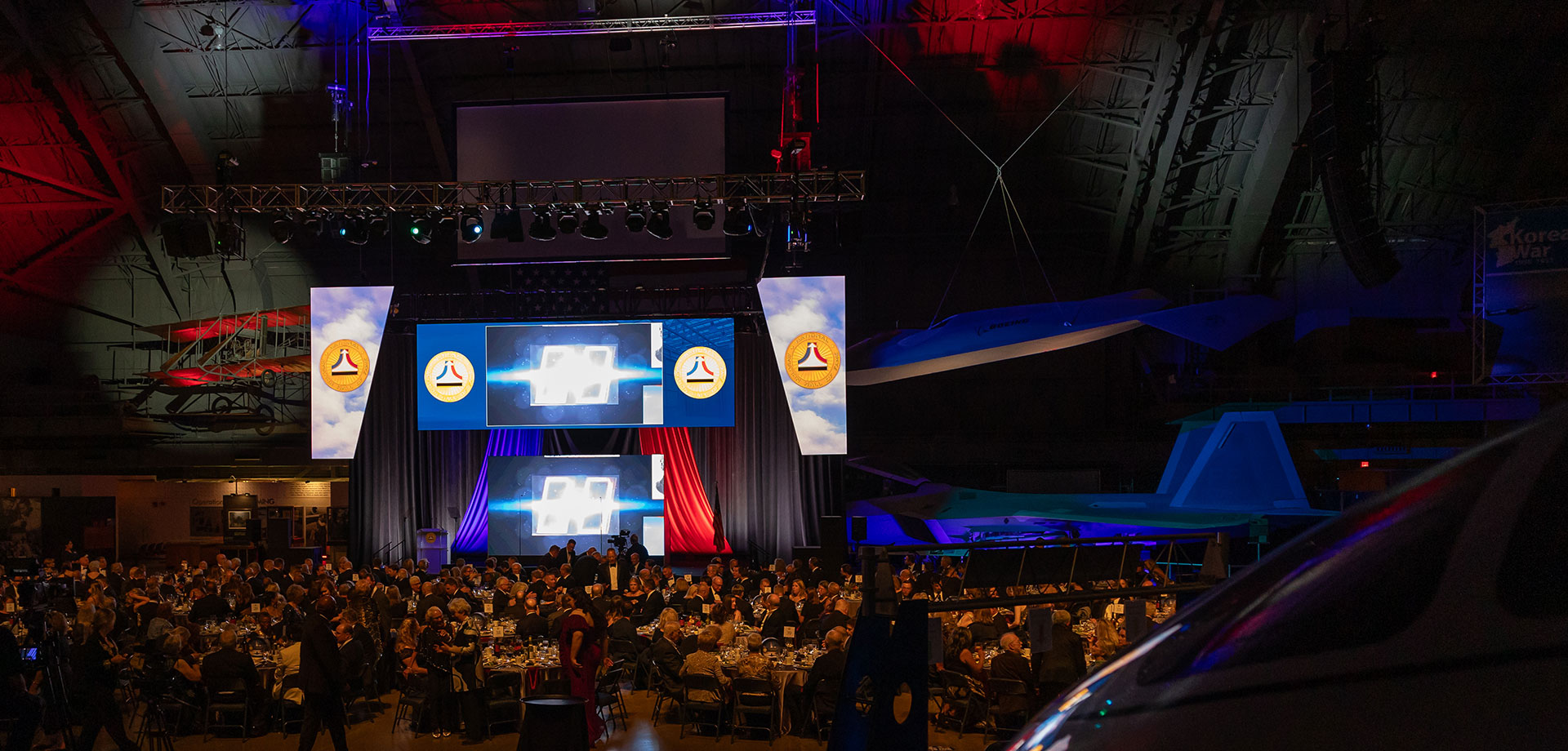
Minimalism vs. Extreme Immersion
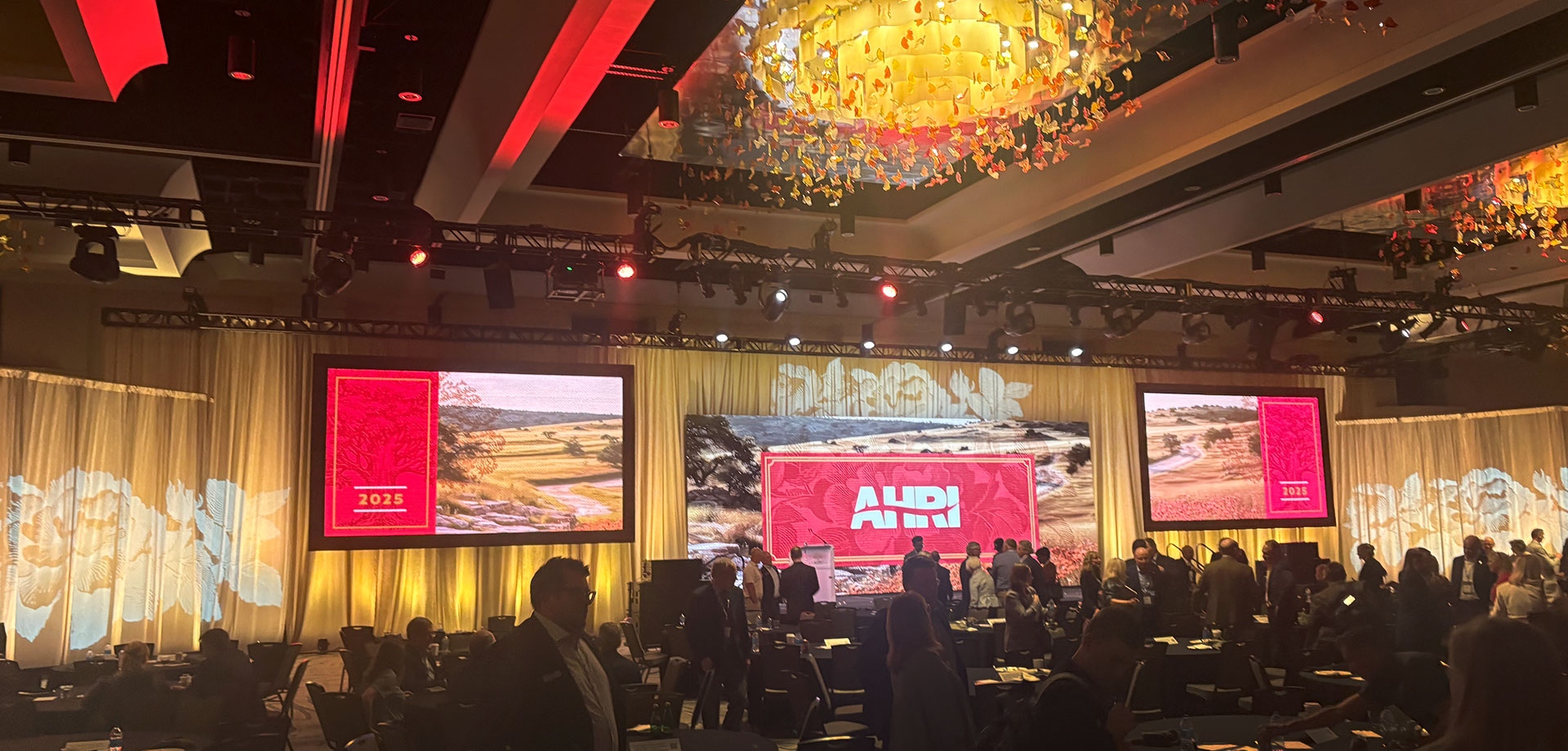
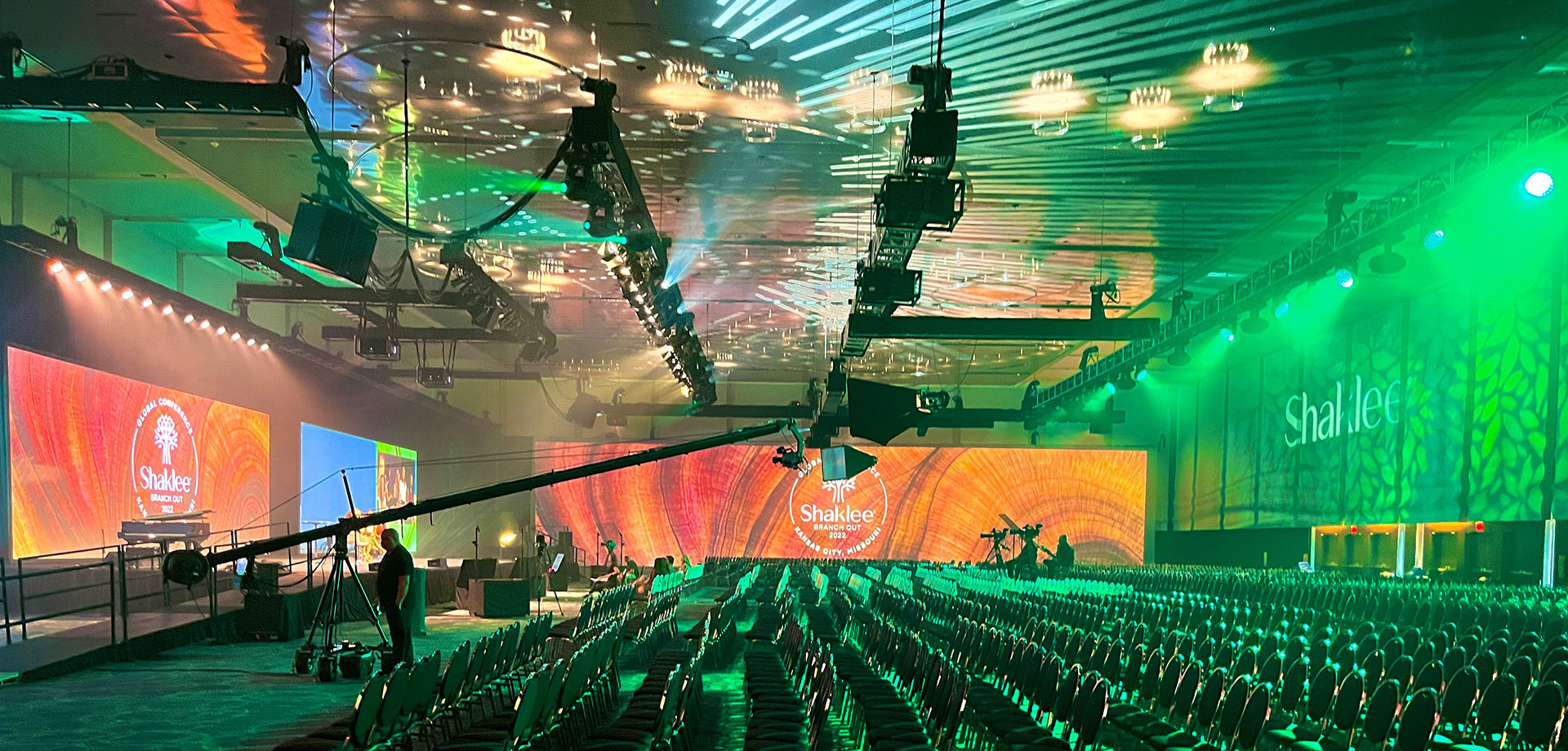
We are seeing a “split” in the field of scenic design. One side favors Architectural Minimalism—clean lines, high-end materials, and “hidden” tech that feels like a luxury lounge. The other favors Extreme Immersion—using wrap-around LED volumes and projection mapping to make the physical room disappear.
- The Trend: Hybrid scenic pieces that use physical “skeletal” frames filled with digital content.
- Why it works: It allows for “The Big Reveal.” A room can feel like a quiet, minimalist gallery during breakfast and transform into a high-energy digital landscape the moment the keynote begins.
The Impact of Tactical Lighting and Texture
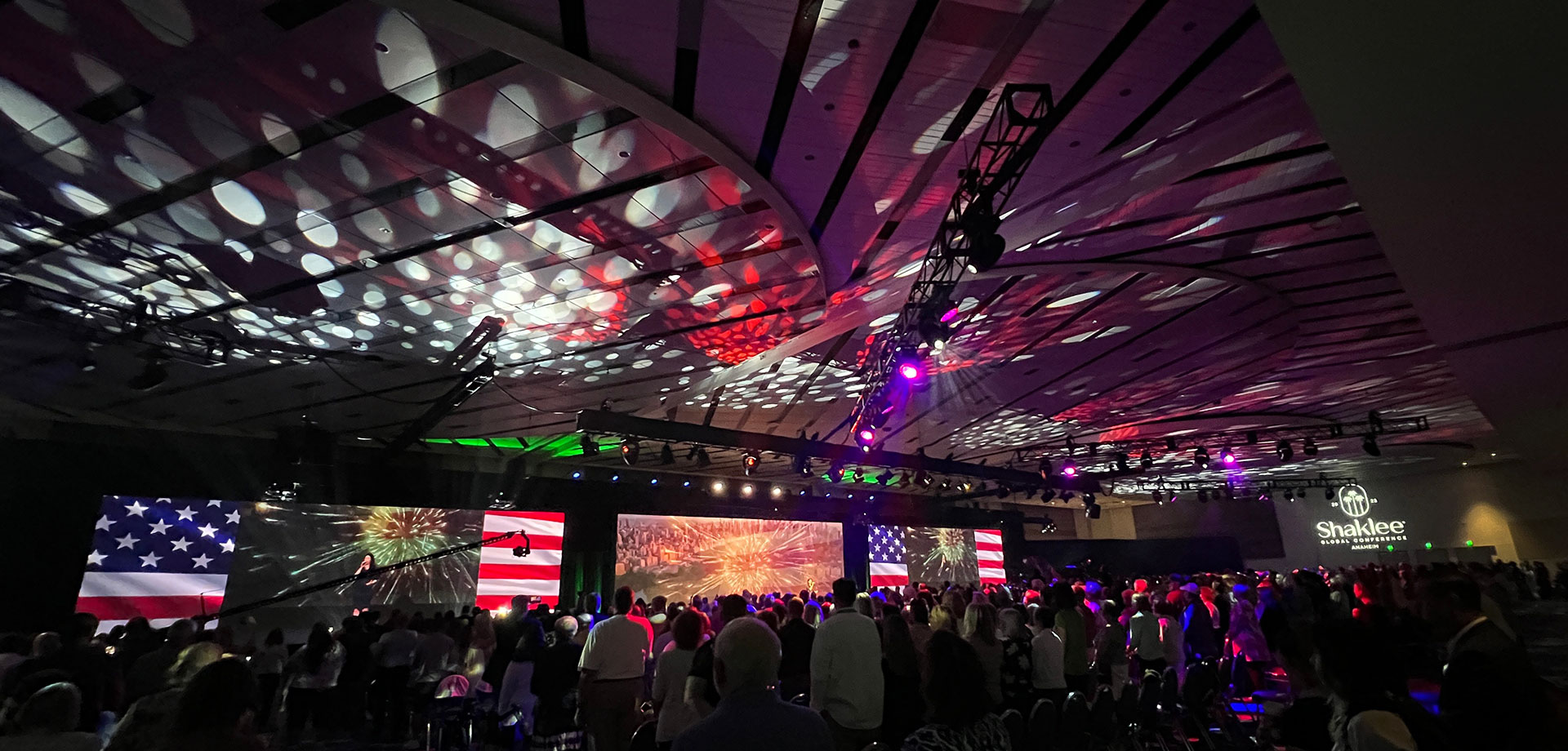
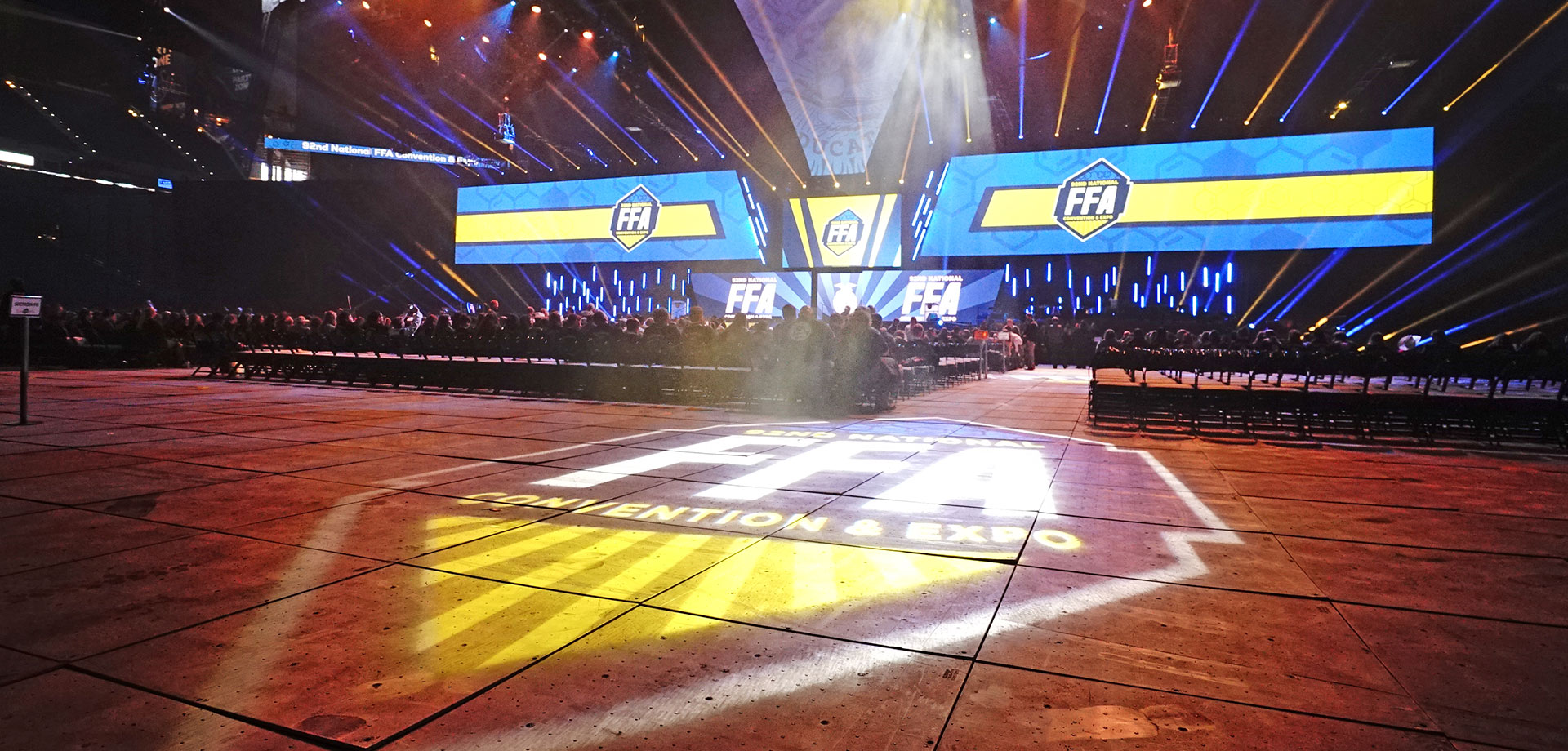
Lighting is no longer just about visibility; it’s about texture. In 2026, attendees are responding to “layered” lighting—combining soft, cinematic key lights with sharp, geometric laser lines or textured “gobos” that create depth on flat surfaces.
- The Trend: Integrating light directly into scenic fabric and furniture. Rather than shining a light on a wall, the wall itself glows with internal, programmable textures.
- Why it works: Texture adds a tactile, premium feel to the space. It moves the event away from a “broadcast” look and toward a high-end “hospitality” experience.
The Bartha Perspective: Why it Works
Planners who embrace these trends aren’t just “decorating”—they are engineering an emotional response. By combining bold color, flexible scenic styles, and textured lighting, you create a first-class environment that makes attendees feel valued.
In 2026, the “wow factor” isn’t about how much gear you have on stage; it’s about how effectively that gear is used to tell a cohesive, imaginative story.
How can we help you turn your next message into a deep, connected experience that lingers long after the lights go down? Let’s build something together.
